

Event Marketing: The Event Is Only One Part of the Campaign
An event might last a day.
The conversation around it can begin months earlier and continue long after the last guest leaves.
That distinction sits at the heart of good event marketing.
Too often, event marketing is treated as promotion: announce the event, create content, generate media coverage, post on social channels and keep the conversation active.
Those things matter.
But they’re channels.
The real work begins much earlier.
Why should anyone care that this event is happening?
The answer can’t simply be because the event exists.
Start with the story
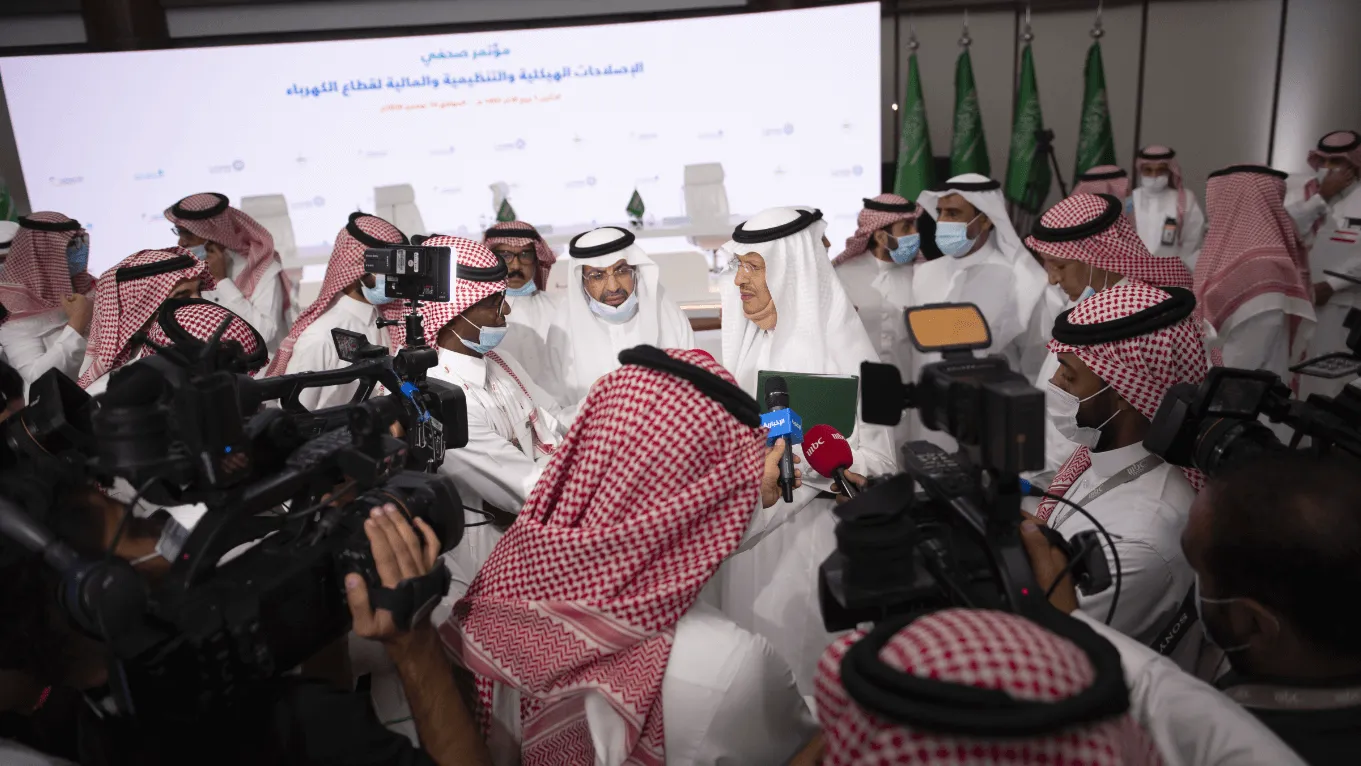
Every event represents something larger than the gathering itself.
A government summit might signal a policy ambition. A sporting event can become an expression of national identity. A cultural festival can strengthen people’s relationship with a place. A corporate launch can introduce not just a product, but a new direction for a brand.
Understanding that larger story is where event marketing begins.
Before deciding how to communicate an event, we need to understand what it means, who needs to care and what we want them to think, feel or do as a result.
FROM THE PLAYBOOK
The event may last a day.
The story shouldn’t.
Build the audience before you build the campaign
There is no universal audience.
The people attending an event may not be the same people who need to hear about it.
Policymakers, investors, industry leaders, communities, media and the wider public can all encounter the same event from entirely different perspectives.
Effective event marketing understands those differences.
The story may remain consistent, but how it connects with each audience shouldn’t.
That’s why audience understanding matters more than simply adding more channels to a communications plan.
Think beyond promotion
PR, social media, content, advertising, influencers and media partnerships can all help amplify an event.
But amplification only works when there is something meaningful to amplify.
An event marketing agency in Dubai shouldn’t simply be asking where the campaign will appear. It should be asking what conversation the event has the opportunity to create.
That shift changes the role of communications.
Before the event, communications can establish relevance, introduce ideas and build anticipation.
During it, storytelling can bring the experience to audiences beyond the room.
Afterwards, content, media and stakeholder engagement can extend its ideas, outcomes and influence.
The channels sustain the conversation.
They aren’t the reason the conversation matters.
Design the event and communications together
Some of the strongest opportunities are lost when the event is designed first and the communications team is brought in later.
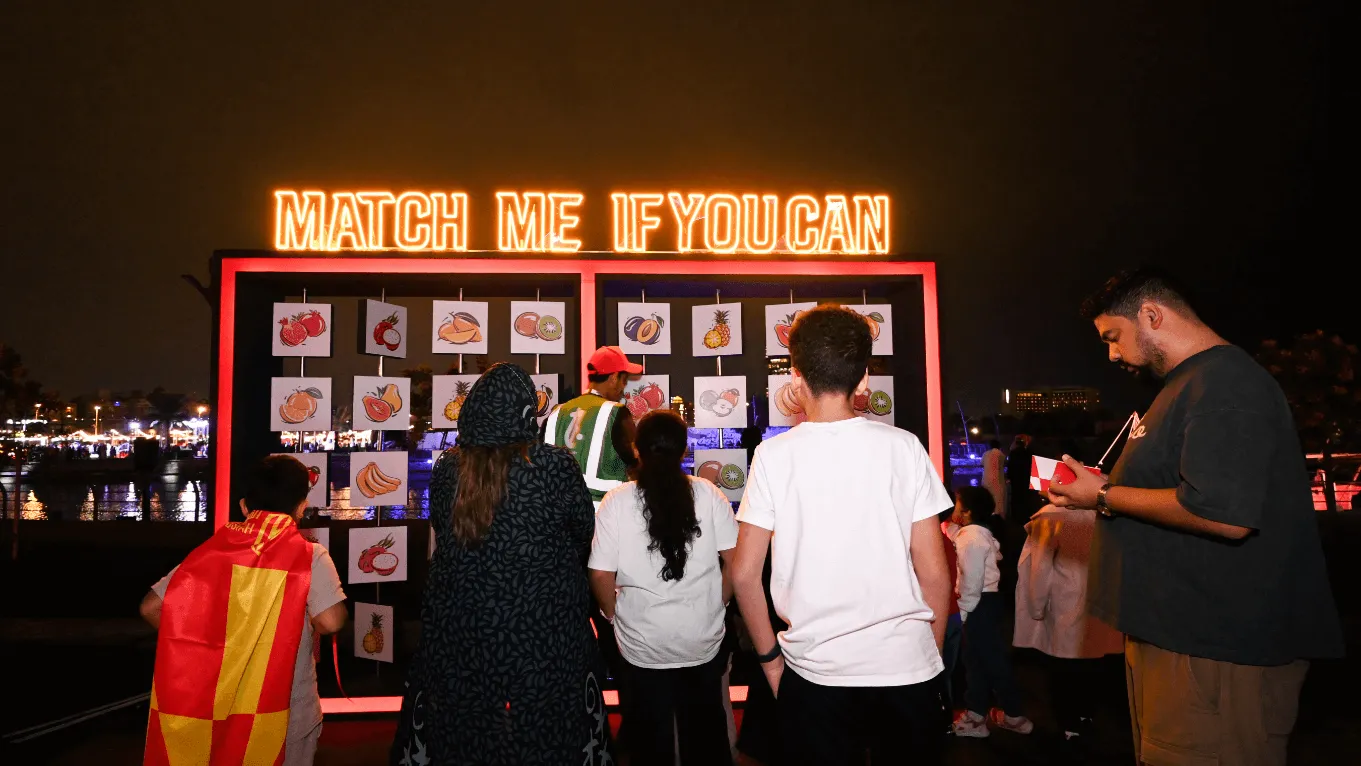
A powerful keynote can become thought leadership. A compelling installation can create a visual story. A significant announcement can drive media conversations. Audience participation can generate content that no campaign team could manufacture.
But these opportunities are easier to create when communications are considered as part of the experience from the beginning.
At entourage, events and communications aren’t treated as separate disciplines. Strategy, creative, experience and communications are designed around the same objective, allowing the physical moment and the wider campaign to strengthen each other.
Explore our event marketing and integrated communications work to see how this thinking translates across government, culture, sport and brands, or watch selected projects on our YouTube channel to see the stories brought to life.
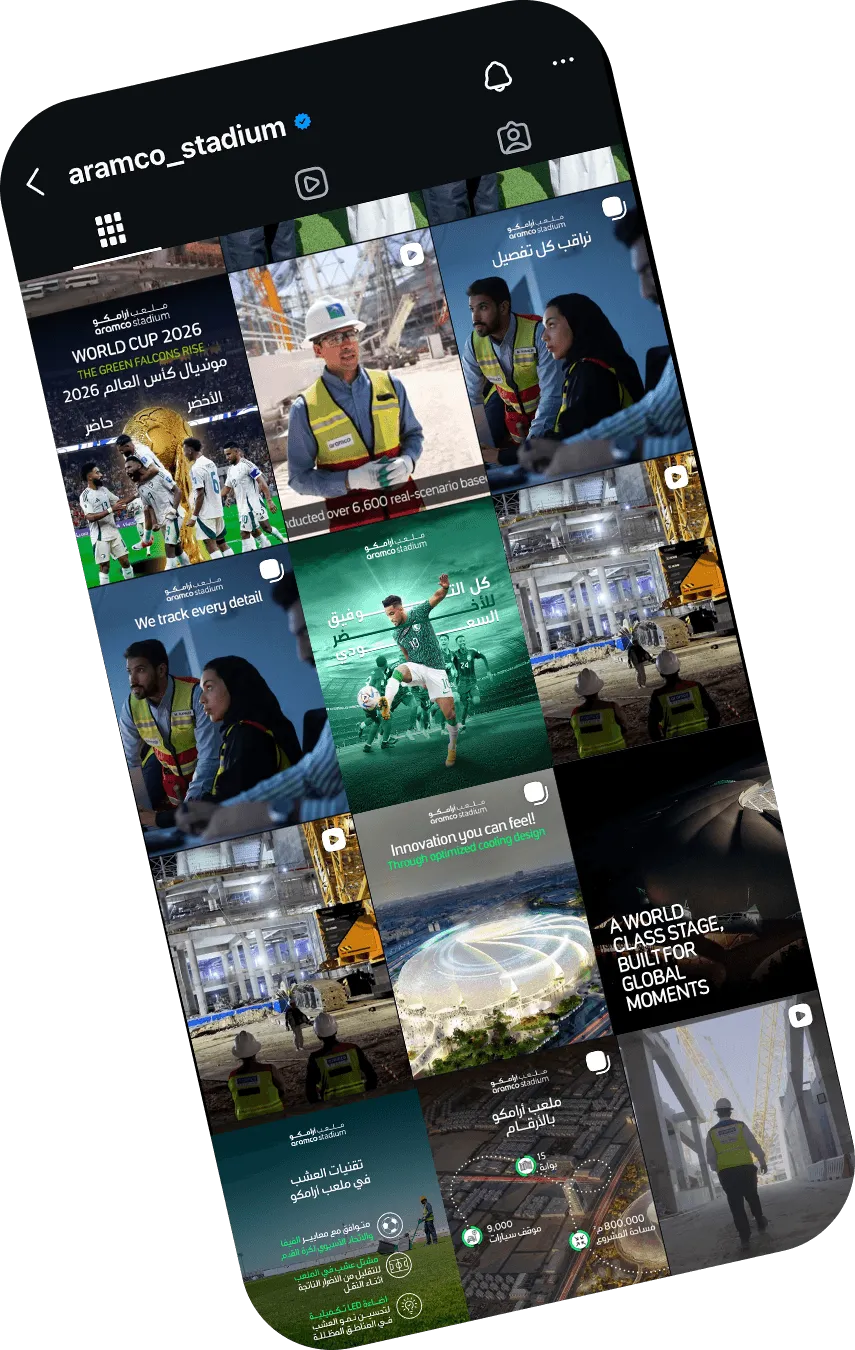
The event is the moment. The campaign gives it momentum.
Events have an unusual power.
They bring people together around a shared moment in time.
But the opportunity is much bigger than what happens in the room.
Because events aren’t just marketing vehicles.
They’re storytelling engines.
Explore entourage’s Event Marketing and Integrated Communications services.