

From Conversations to Commitments: How We Design Ministerial Summits That Drive Policy Outcomes
A ministerial summit can be over in two days.
The policy outcomes it creates can influence a sector for years.
That’s why effective government event management doesn’t begin with stages, speakers or session formats. It begins with a different question:
What needs to happen after everyone leaves the room?
Having worked on platforms bringing together ministers, policymakers, industry leaders, academics, investors and communities, one lesson has remained consistent:
A ministerial summit should be designed as a policy instrument, not simply an event.
The most successful summits aren’t remembered because they attracted thousands of attendees or generated headlines. They’re remembered because they accelerated decisions, strengthened partnerships and moved important conversations towards action.
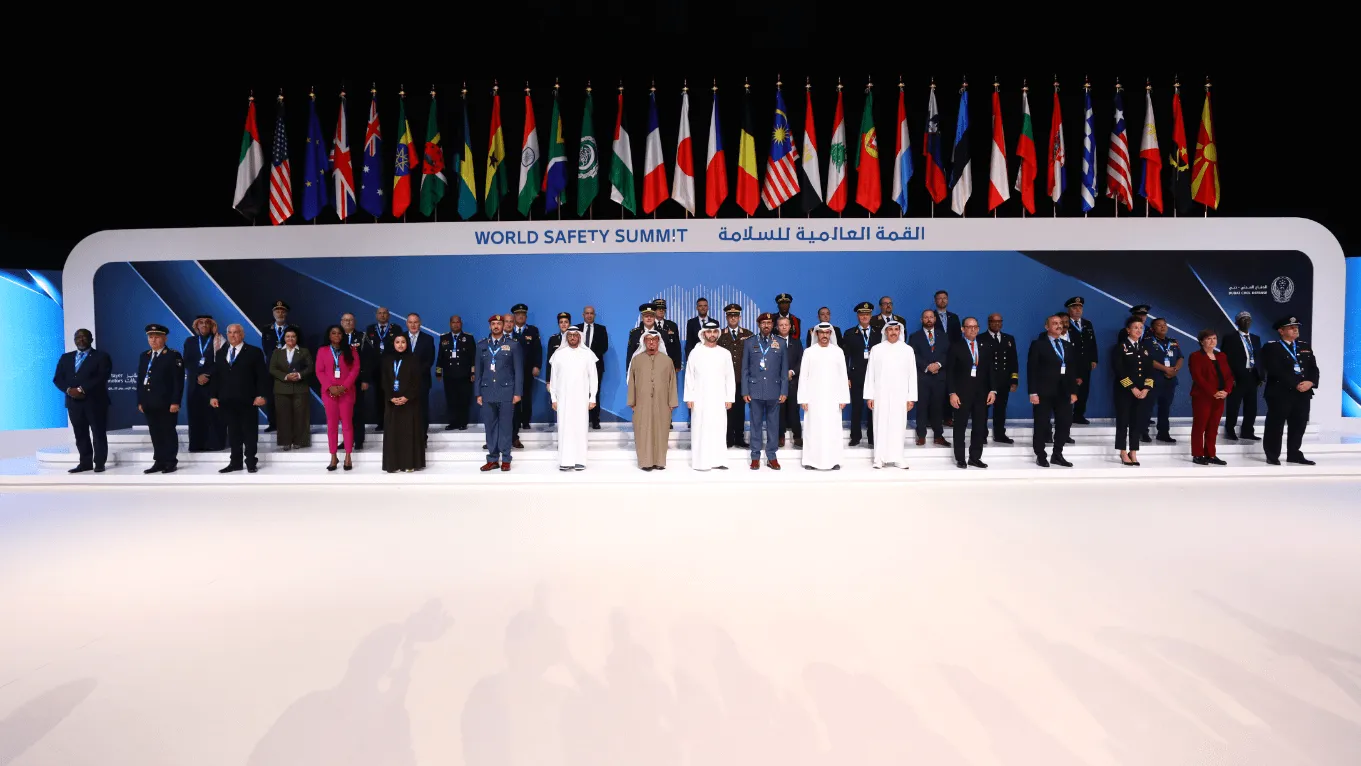
FROM THE PLAYBOOK
The success of a summit isn’t measured by what happens on stage.
It’s measured by what happens next.
Start with the outcome, not the agenda
Before building a programme, ask what should be different six months after the summit.
Should a policy recommendation have moved forward? Should new partnerships have formed? Should investment conversations have progressed? Should a sector be more closely aligned around a shared objective?
Too often, conference agendas are built around topics. We believe they should be built around outcomes.
When the objective is clear, every speaker, session and stakeholder interaction has a reason to exist.
Design for decisions, not just discussions
Keynotes and panels can set the agenda, but some of the most valuable conversations happen away from the spotlight.
Ministerial roundtables, policy workshops, stakeholder consultations and closed-door discussions create space to move from exchanging perspectives to exploring solutions.
For organisations considering international conference management in Dubai, this distinction matters. Bringing global stakeholders together is only the beginning. The real value lies in designing the conditions that allow them to make progress.
Put the right people in the room
A bigger audience doesn’t automatically create greater impact.
Policy outcomes depend on bringing together stakeholders who can influence what happens next.
Government representatives, industry leaders, academics, investors, innovators and community voices may all have a role—but stakeholder selection should be intentional. Diversity of perspective matters. Relevance matters more.
This stakeholder-led approach sits at the heart of entourage’s work across government events and international conferences, where strategy and engagement are considered long before the programme takes shape.
Treat communications as part of the process
Communications shouldn’t begin when the event is announced or end when the stage lights go off.
Before a summit, thought leadership can frame the issues and build stakeholder engagement. During it, strategic storytelling can extend important conversations beyond the room. Afterwards, communications can sustain momentum, reinforce commitments and keep stakeholders engaged.
Visibility matters.
But momentum matters more.
You can see this approach across entourage’s government and summit work, while selected projects on our YouTube channel show how strategy translates into the live experience.
Build legacy from the beginning
Legacy isn’t a post-event exercise.
By then, it’s often too late.
Recommendations need a path forward. Commitments need a way to be tracked. Stakeholder relationships need mechanisms to continue.
The strongest summits consider these questions before the first invitation is sent.
Because governments today are tackling challenges that increasingly require collaboration across sectors, industries and borders. Summits remain powerful tools for bringing those interests together.
But their value isn’t in the gathering itself.
It’s in what the gathering enables.
Explore entourage’s Government Event Management and Conference Management services.